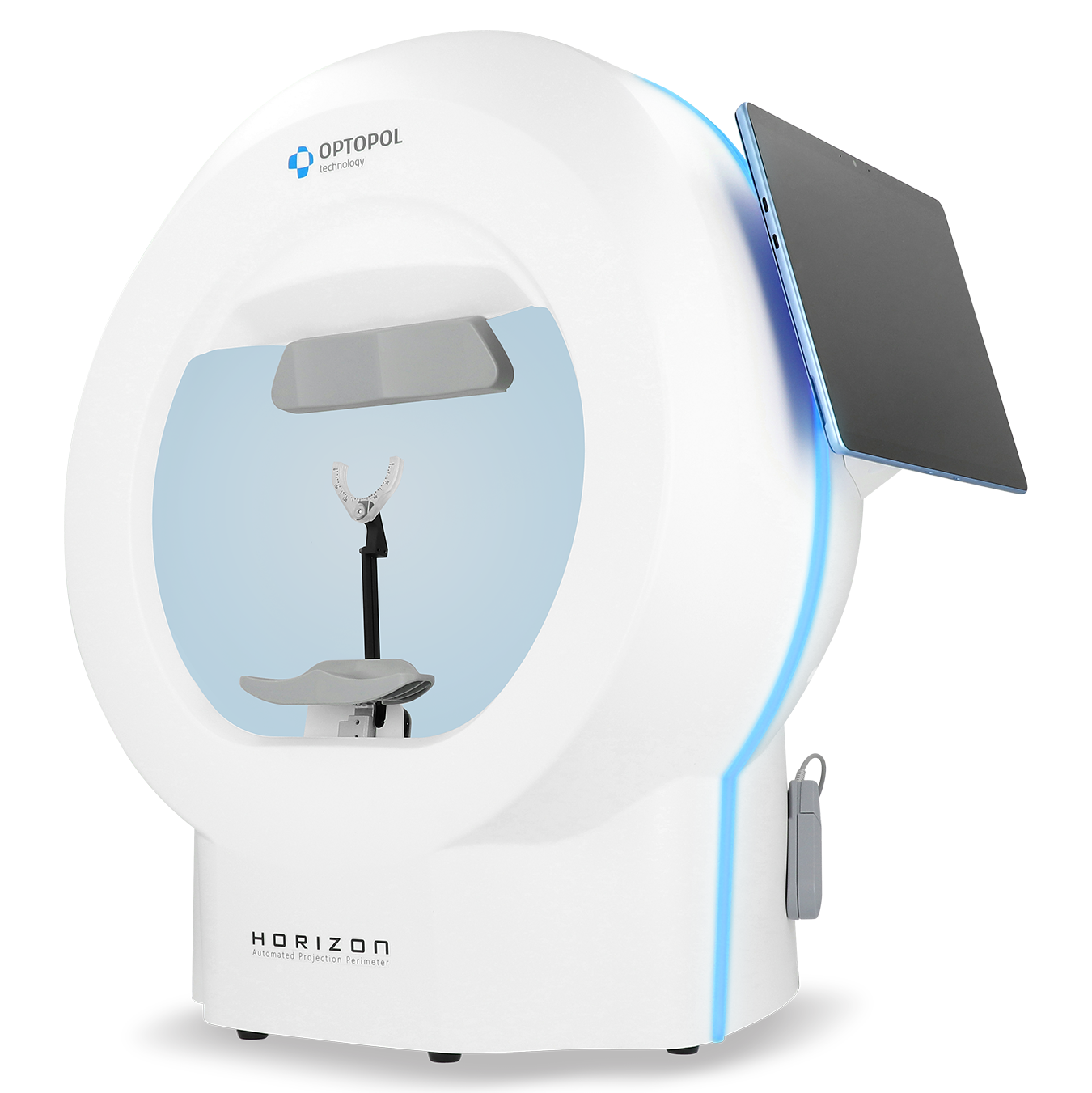
HORIZON

Automated Projection Perimeter

Expanding the Horizon of Perimetry

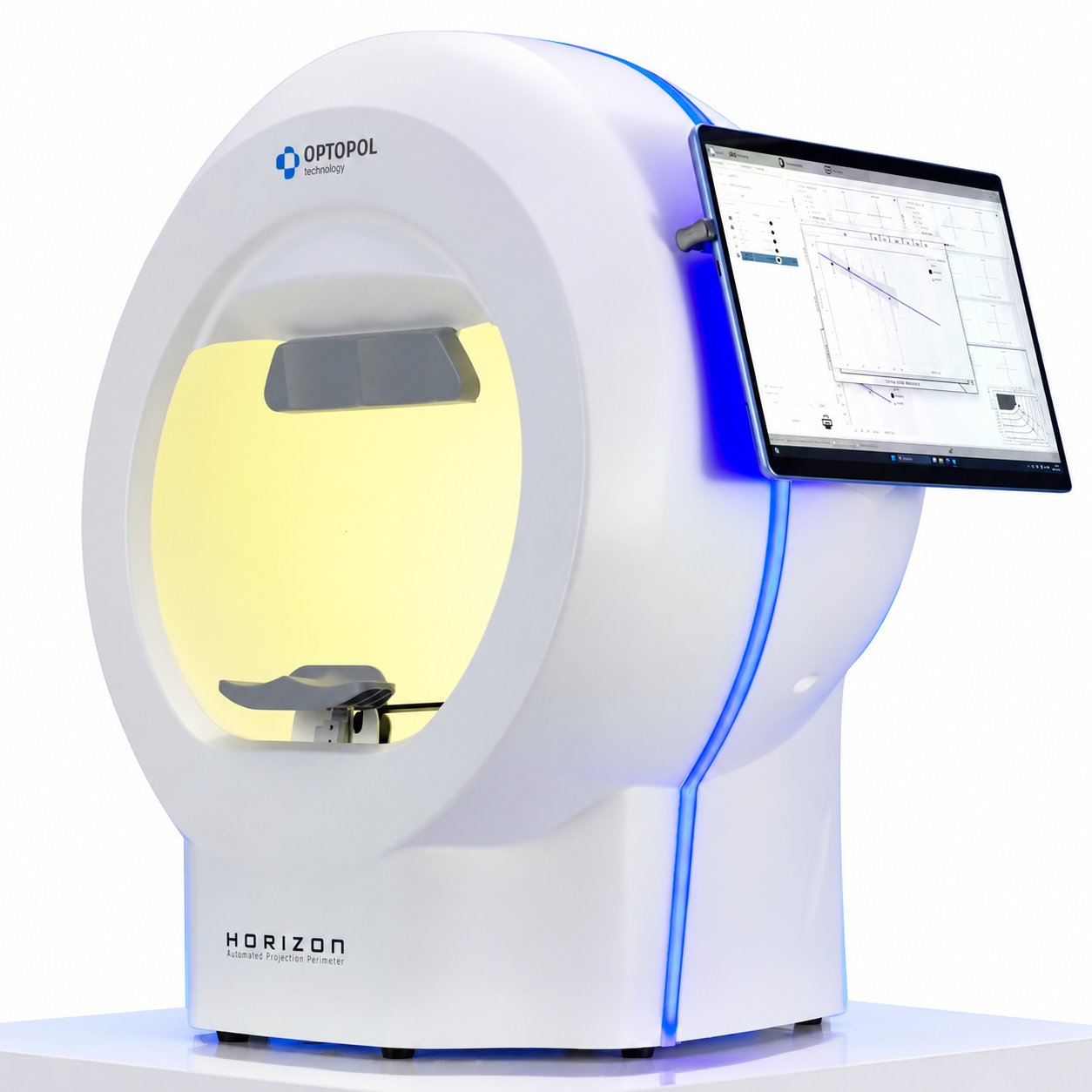
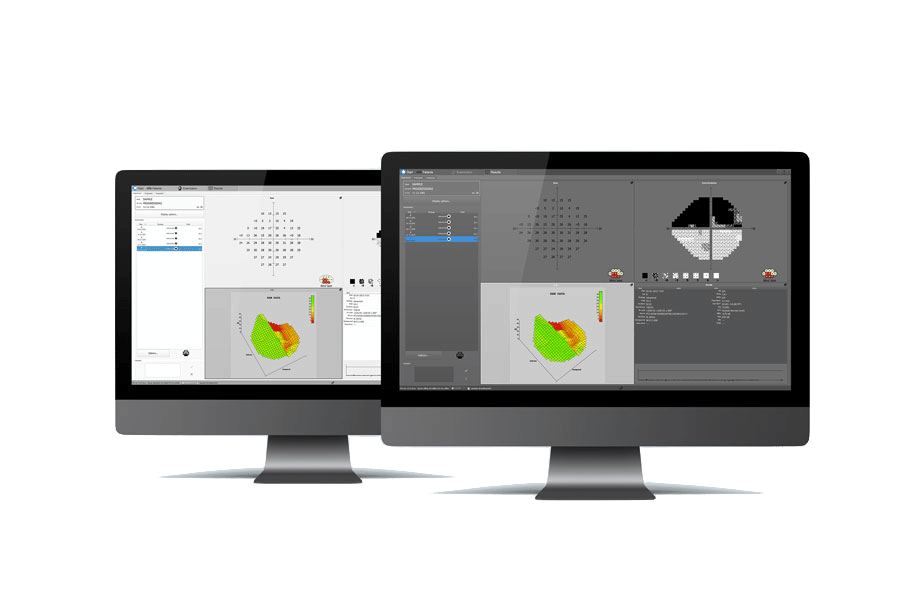
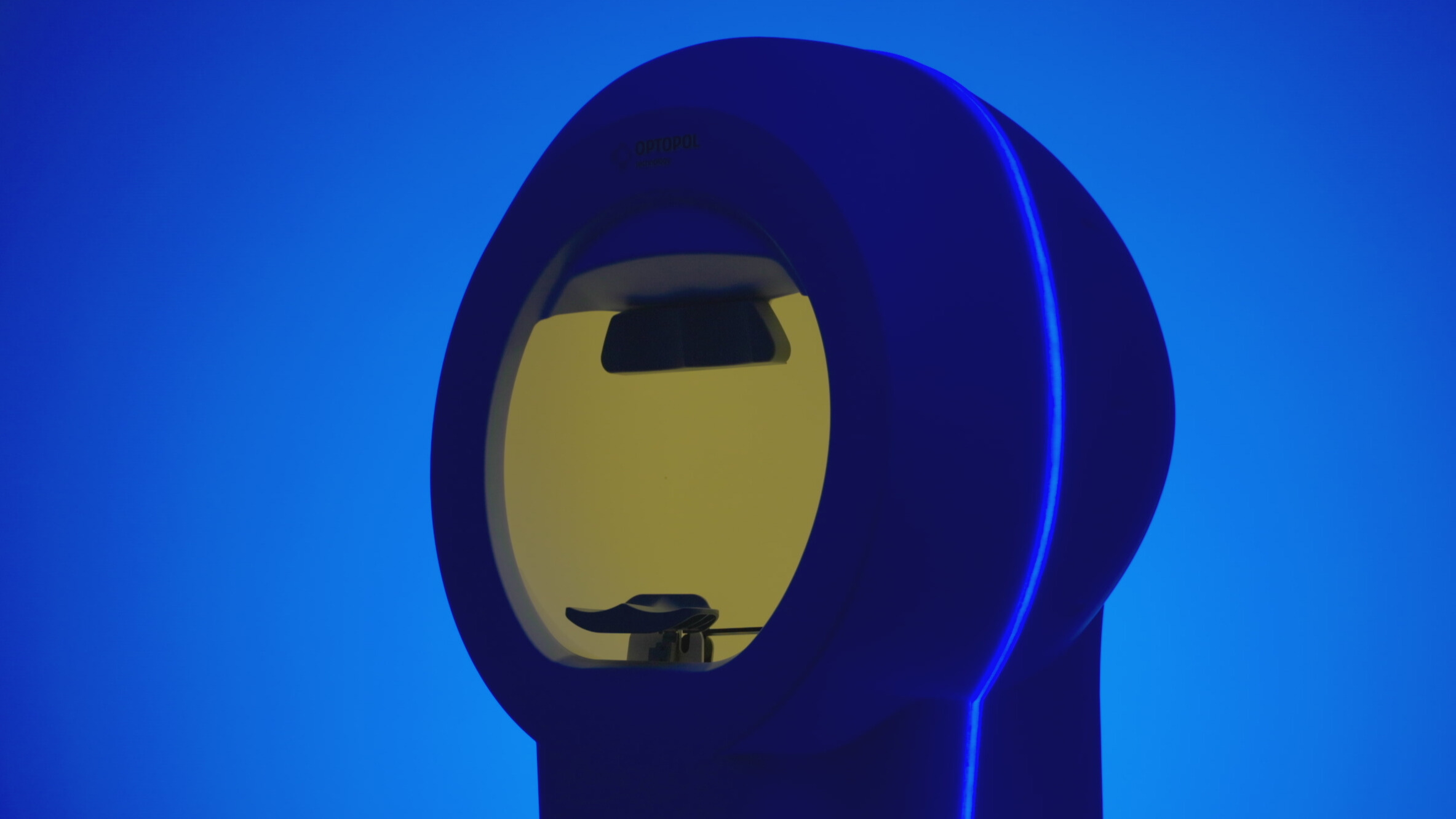
The Horizon is our top-of-the-line projection perimeter with modern and intuitive software available at your fingertips.
With the Horizon, perimetry is more simple than ever before, from a quick screening test to manually controlled kinetic perimetry. The system breaks free from traditional desktop setups, enabling fully functional control from a web browser on a smartphone, tablet, or computer.
The Horizon has one of the world’s largest field testing ranges and options, including all of the Goldmann stimuli sizes and stimuli colors used in perimetry.

Explore our Features

Fast Thresholding

Using ZETA™ thresholding algorithms, test your patients in under 3 minutes.

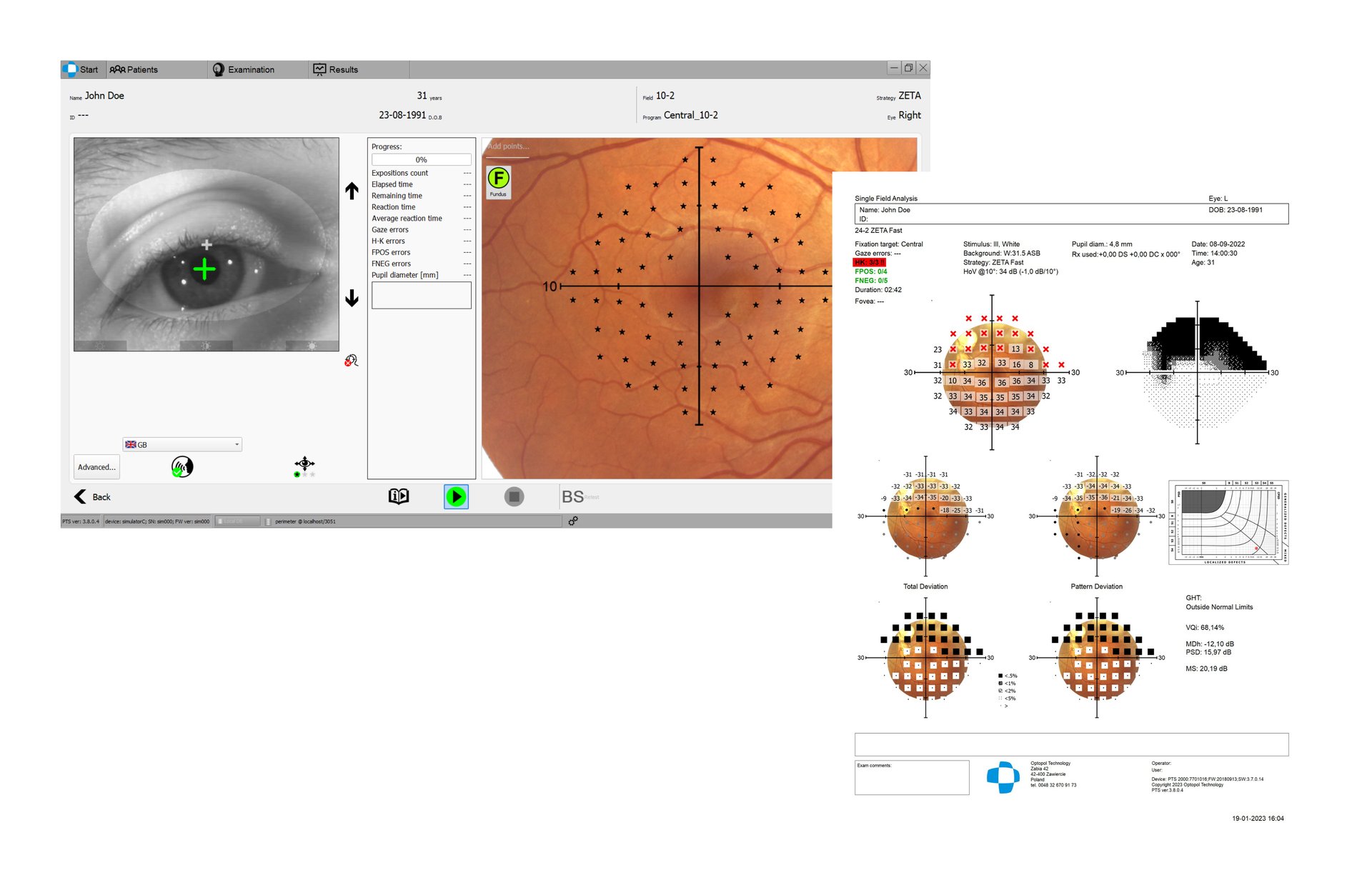
Eye Tracking
Monitor patient pupil movement during examination.
Blink Detection
Our software detects when the eye is closed, and will not present stimuli to the patient.

HORIZON

Head Tracking
Live monitoring and automated adjustments throughout exams.
DPA™ Defect Progression Analysis
Create a baseline and follow disease progression over time.
EyeSee™
In the review screen, click on any point during the exam to see the eye position.
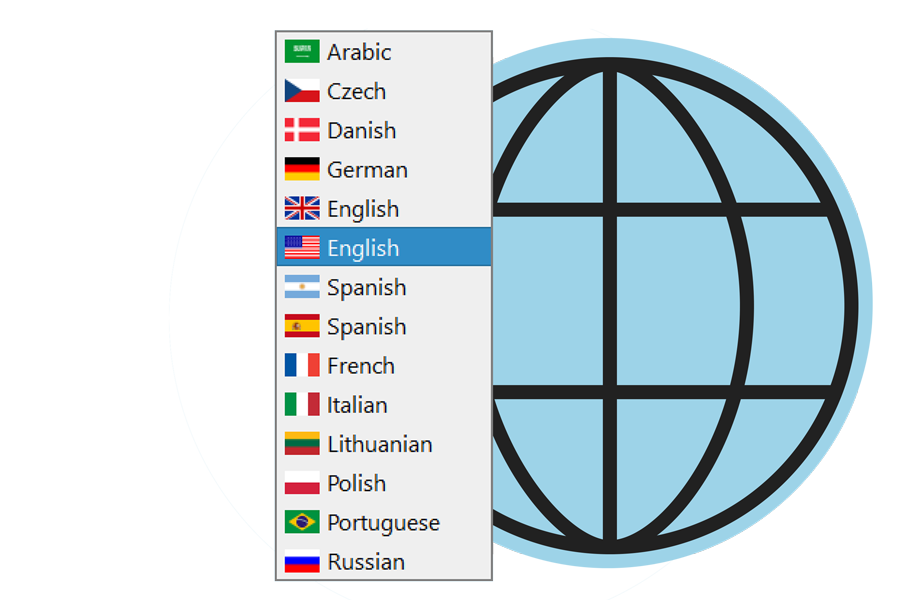
Voice Guide
Voice messages assist operator and patient during the examination.

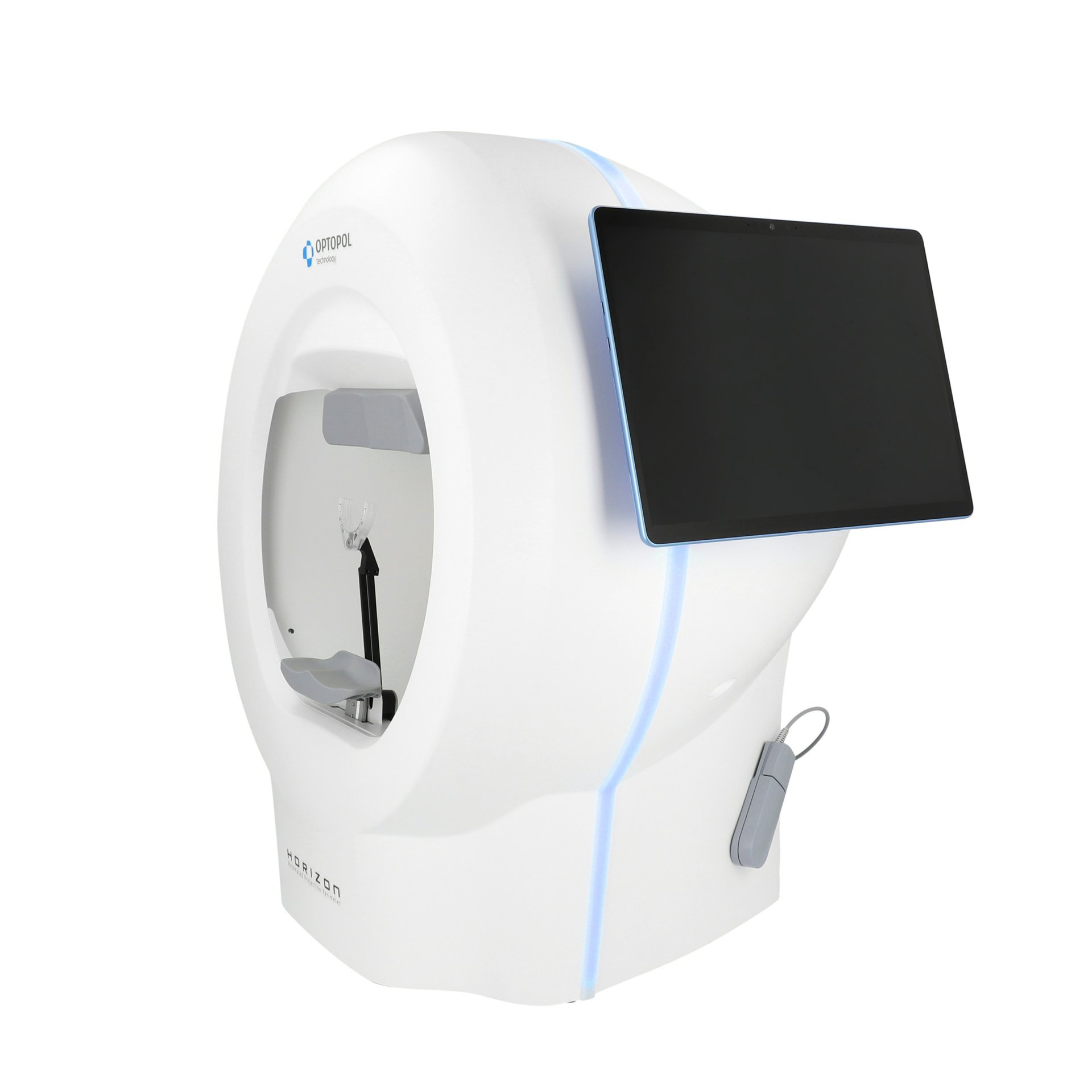
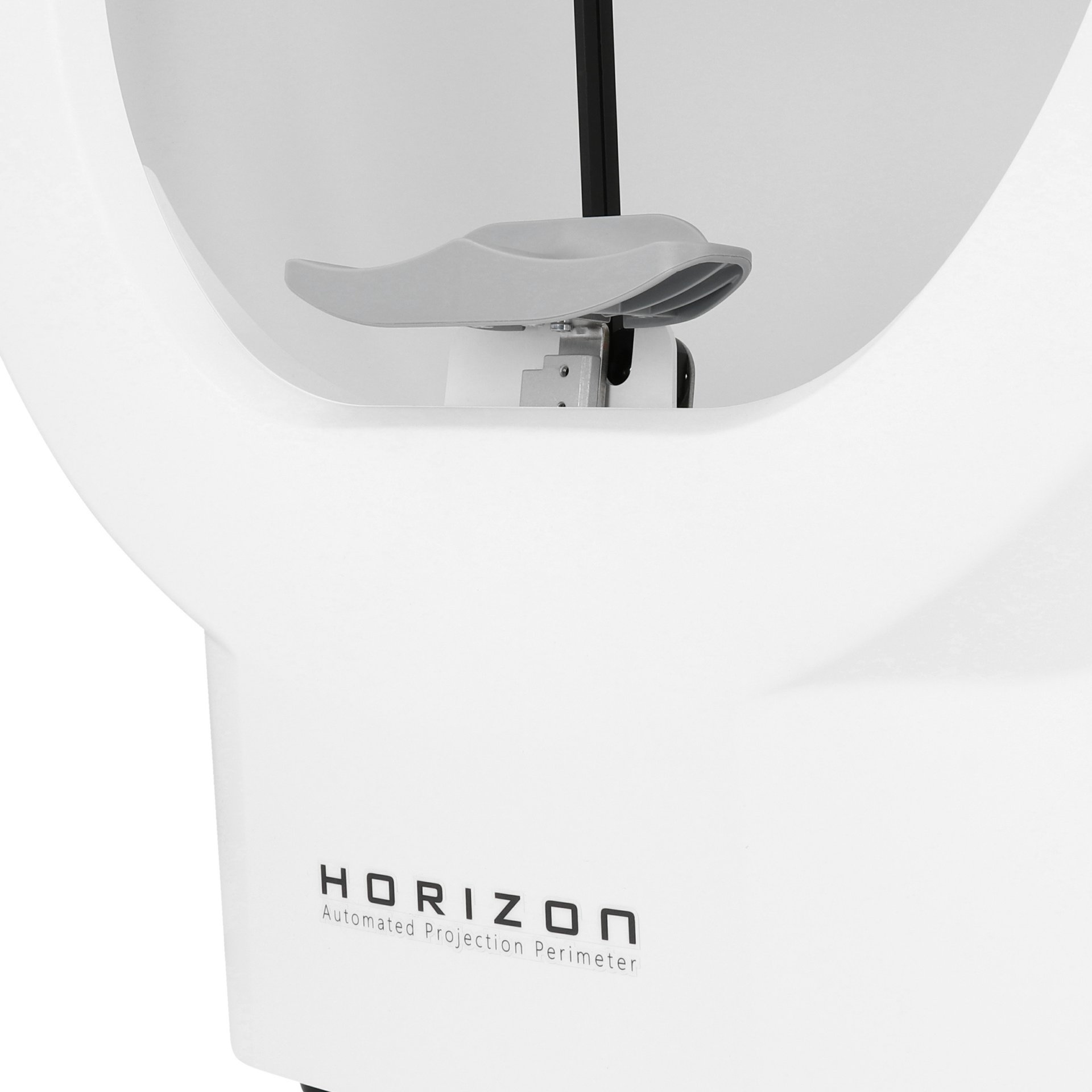
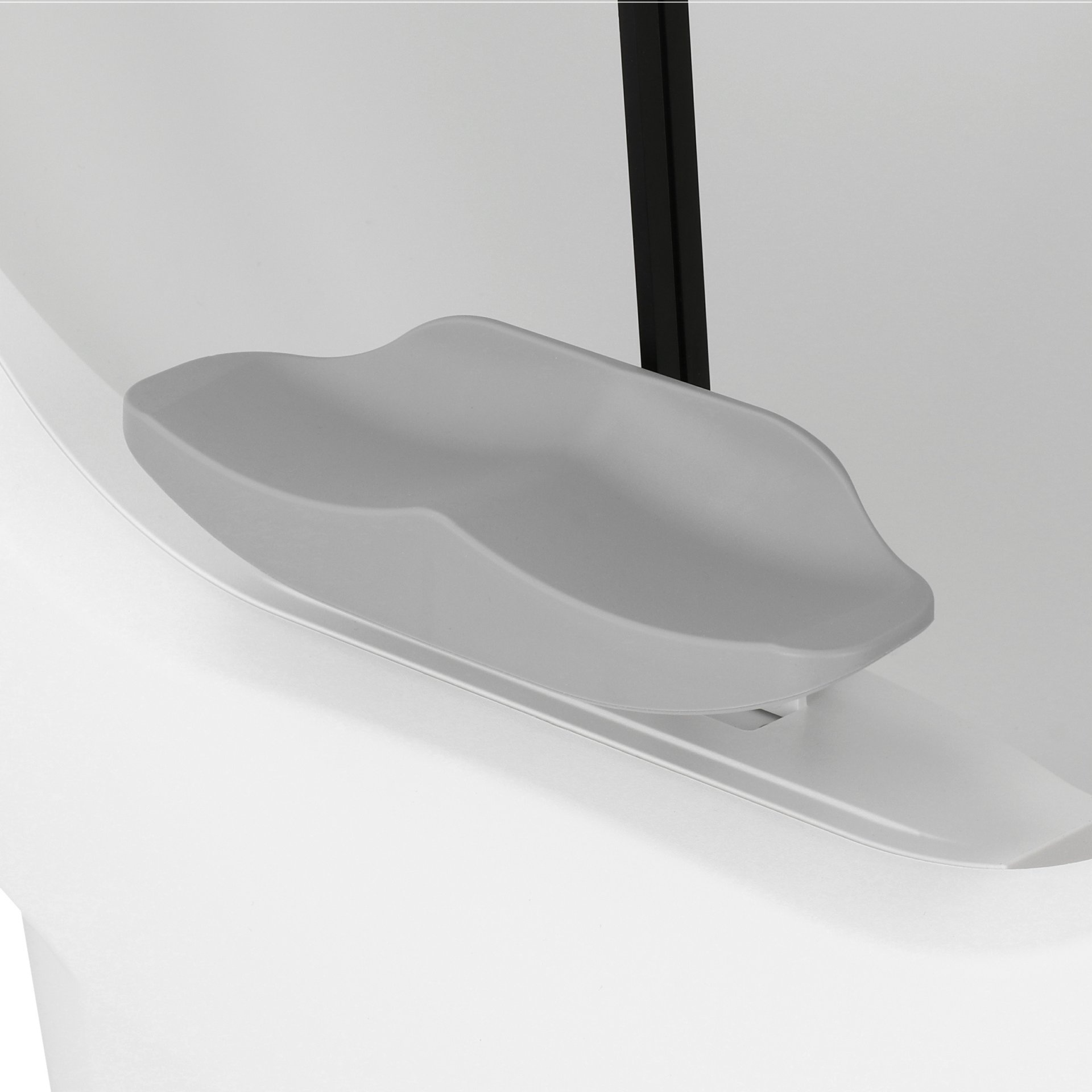
Product Gallery

* Note: Tablet PC shown for illustrative purposes only. The PTS 2000 does not include a tablet PC

Untethered Clinic Workflow

The Horizon perimeter adapts beautifully to modern medical environments. Complete with an integrated PC included in the package, it offers a compact, all-in-one setup that saves valuable desk space. To elevate your clinical efficiency, the system breaks free from traditional desktop setups — enabling fully functional control from a web browser. Whether you prefer using a smartphone, a tablet, or a computer, you can effortlessly operate the device and review data from the palm of your hand, bringing unprecedented mobility to your daily visual field testing.

Fundus-Oriented Perimetry

Import your Fundus Images

Unlock deeper diagnostic insights by importing fundus photography or OCT layer thickness maps directly into your Optopol perimeter. The software overlays these structural images onto the functional Visual Field assessment, utilizing advanced RGC (Retinal Ganglion Cell) displacement correction for precise correlation. To streamline your workflow, the software offers direct integration with Optopol REVO and FUNDO devices for instant image access. The resulting comprehensive VF overlay maps can be easily printed on a standard VF report.

Voice Guide Instructions

Let our voice guide provide instructions for the patient during an exam. In 12 different languages.

  • English, Spanish, French, Italian
  • German, Polish, Czech, Danish
  • Arabic, Lithuanian, Portuguese, Russian

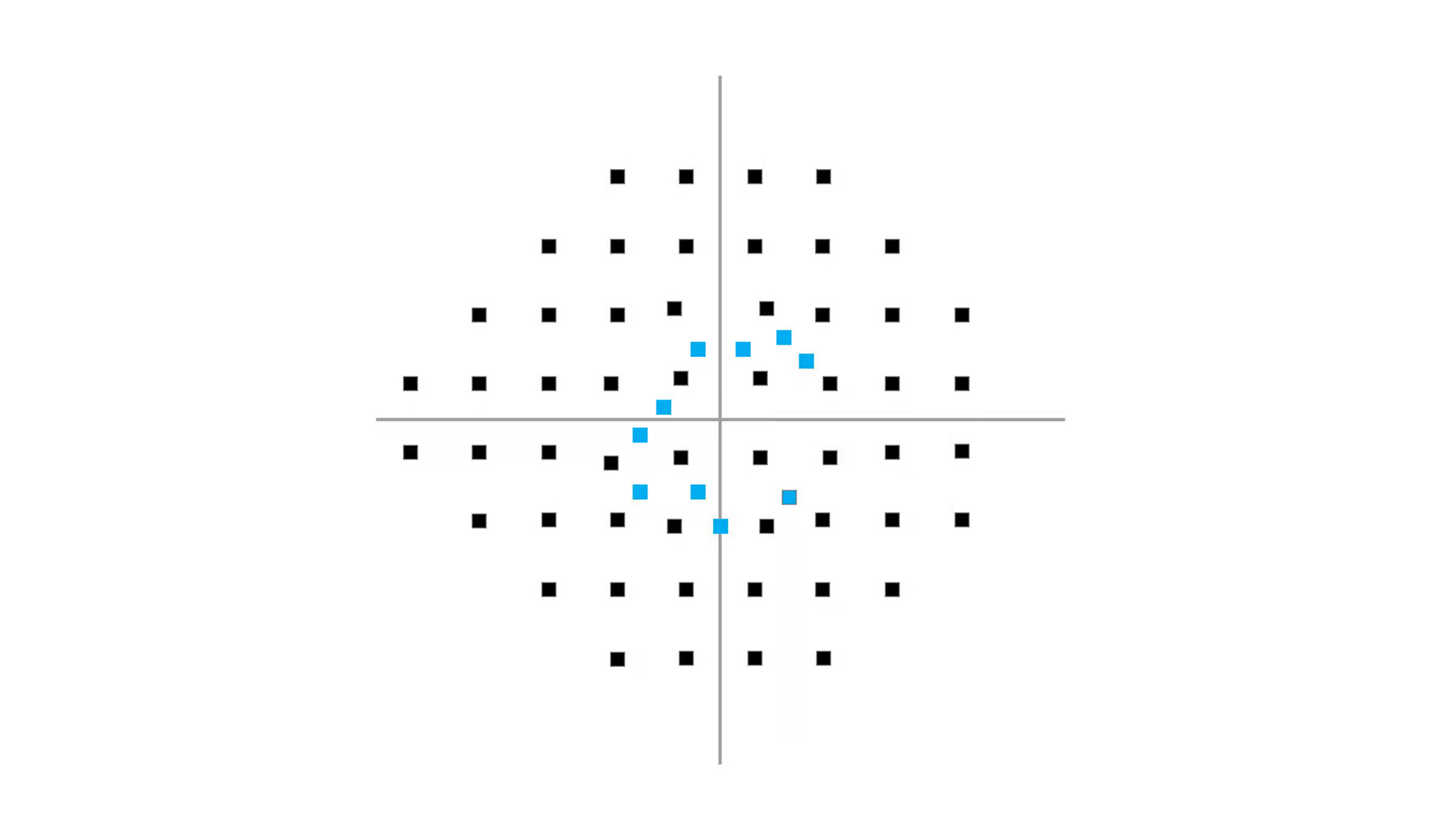
New 24-2C pattern now available.

Capture 10 additional central field locations with the new 24-2C pattern. 

  • 24-2 field with additional 10 central points.
  • New points included may be used in a targeted approach where central defects are suspected.
  • Location of new points are derived from points commonly affected in glaucoma

Light or Dark Mode?

Switch between dark and light view. Reduce eye strain during testing in a darkened room.

  • Easier to view in a darkened room.
  • Choose either the Dark or the Light screen mode depending on the ambient light.

Kinetic Testing

Perform automated or semi-automated Kinetic perimetry with the PTS 2000. 

  • Create custom pre-set Kinetic patterns.
  • Create on-the-fly Kinetic patterns that can be saved for future use.
  • Adjust parameters such as stimulus size, brightness, color and speed.
  • Easily draw the stimulus movement trajectory using a mouse.

BluGlow™ light band technology

BluGlow™ light band provides a minimal ambient light to the darkened testing area, providing the operator and patient with the ability to navigate their surroundings.

Satellite office ready

Both our perimeters use the same great software. Perfect for seamless training across satellite offices.

  • PTS 2000 perfect for busy and main locations.
  • PTS 925 is great for a satellite or remote location.
  • Both units use the same software, no learning curve for new staff.
  • DICOM and Review Station SW included.

Revolutionary value

How can we beat the prices of our competitors?

  • Unique 2nd generation design allows us to reduce costs.
  • Long-lasting, reliable LED based technology.
  • No service contracts, EVER.

Technical Specifications

Parameter HORIZON
Examination bowl 300 mm radius, aspherical, closed type, ventilated
Tested field range Superior 60° (70° with fixation shift), Inferior 70°, Left to right 180°
Testing techniques Static perimetry, Kinetic perimetry
Stimulus sizes (Goldmann) I to V
Stimulus colors White, Green, Blue, Red
Background illumination White 3.18 cd/m² (10 asb), White 10 cd/m² (31.4 asb), Yellow 100 cd/m² (314 asb)
Maximum stimulus intensity 10000 asb
Fixation control Gaze tracking, Blink monitoring, Heijl/Krakau, EyeSee™
Chinrest control Electrical up-down, Electrical left-right
Patient response time Set manually 0.1 to 9.9 s, Adaptive to patient speed
Test fields Radial test field patterns, Orthogonal test field patterns, G0-2, 5-2, 10-2, 24-2, 24-2C, 30-2, 30-2C, Sup 44, Gandolfo, G1, N1, N2, 07, 60-4, FF81, FF120, FF246, BSV, B1, Nasal Step, Sup 36, Sup 64, Central 40/64/80, Armaly C/F, BG, BT, G-Periphery, N-Fovea, M, D
Test strategies Screening (Quantify Defect, 3-zone, 2-zone), Threshold (Threshold, Fast Threshold, Advanced Threshold, Dynamic), ZETA™, ZETA™ Fast and ZETA™ Faster, Special (BSV, Flicker), Esterman Monocular Test, Esterman Binocular Test, Kinetic (Manual, Automated, Mixed)
Analysis Single field analysis, Result comparison analysis, DPA™ Defect Progression Analysis, Statistical package
Connectivity DICOM Storage SCU, DICOM MWL SCU, GDT, TXT, CMDL, Networking, REVO Structure & Function Interface
Integrated PC CPU 4×2.4 GHz, 4 GB RAM, 512 GB HDD, Wi-Fi 5, BT 5.0
Device interface Wi-Fi 5, USB 2.0, RJ45
Dimensions (H×W×D) 604 × 483 × 427 mm
Weight 17.5 kg
Operating voltage 100–120 V AC 50/60 Hz or 220–240 V AC 50/60 Hz
Power consumption 150 W
Change consents
Scroll to Top